What is H Pylori?
Helicobacter pylori (H pylori) is a bacterial infection of the stomach lining affecting a large proportion of the Pakistani population. It is the most common cause of peptic ulcers, a significant cause of chronic gastritis, and a recognised risk factor for stomach cancer. H pylori infection is highly treatable when correctly diagnosed and managed by a specialist.
Symptoms of H Pylori Infection
- Upper abdominal pain or burning, often on empty stomach
- Nausea and loss of appetite
- Frequent burping or belching
- Bloating after eating
- Unintentional weight loss in severe cases
- Dark or tarry stools if bleeding ulcer is present
Diagnosis
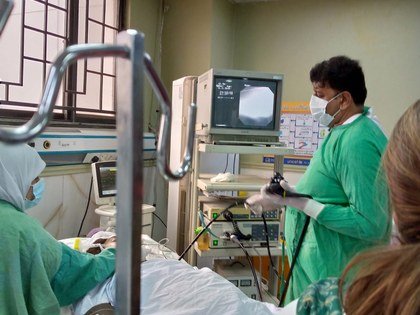
Dr Ayub Naich diagnoses H pylori using stool antigen tests, urea breath tests, blood antibody tests, and endoscopic biopsy during upper GI endoscopy when indicated. The appropriate test is chosen based on each patient's clinical picture.
Treatment
H pylori eradication requires a specific combination antibiotic regimen. Dr Ayub Naich uses standard first-line triple therapy (PPI plus two antibiotics for 14 days) or bismuth-based quadruple therapy for patients with antibiotic resistance or previous treatment failure. Post-treatment confirmation of eradication is performed in all patients.
Related Services
After H pylori treatment, Dr Ayub Naich monitors healing of any associated stomach disease. Patients with obesity may also benefit from gastric balloon treatment or GLP1 weight loss programs available at the same clinic.